Touchless Dispensing: When It Works and When It Doesn't
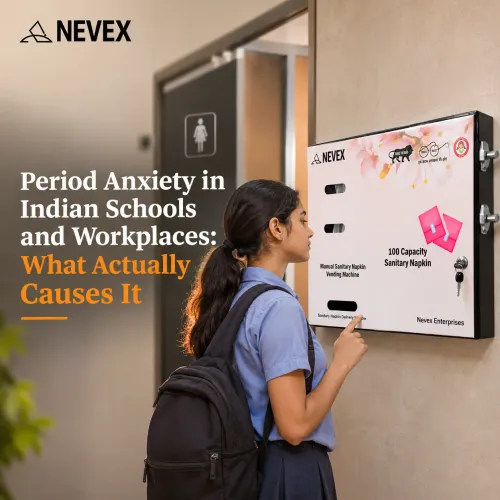
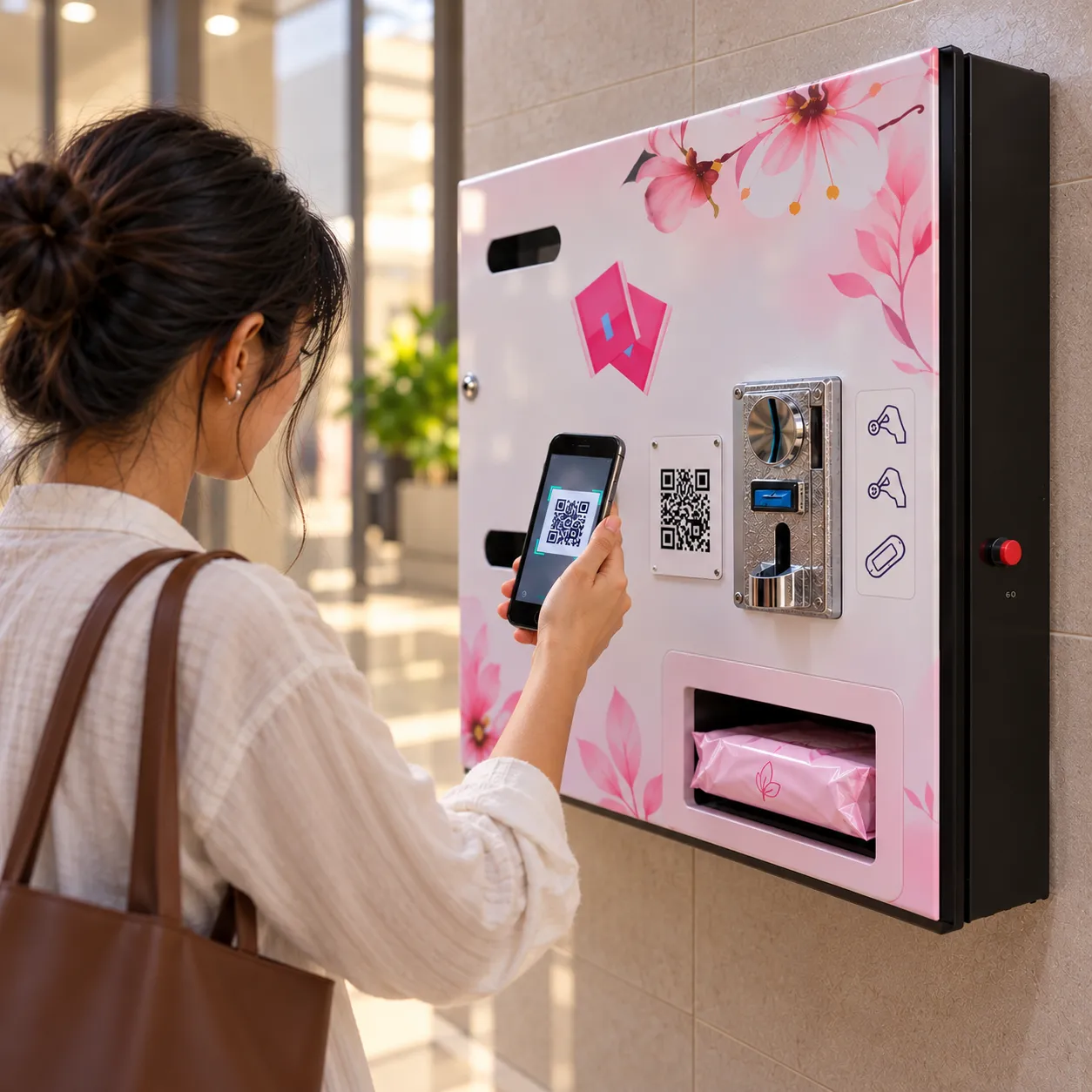
Touchless dispensing is the simplest of the smart features and the easiest to get wrong. An infrared sensor sees a hand, the motor pushes out a pad, nobody touches anything. It only works on free-dispense machines. Add a coin slot or a QR code and the touchless claim mostly disappears.
Where Sensors Are Worth It
Hospitals, clinics, labs and any washroom where hand hygiene is part of the job. If your infection control team has an opinion about surfaces, this is the machine to specify.
It also helps in schools, for a different reason. A first-time user does not have to work out how much force a knob needs. She waves a hand and gets a pad.
Two Things That Go Wrong
1. Anything That Moves Triggers It
A bag, a sleeve, or a child who has discovered that waving makes pads come out. A machine can be emptied in one break.
Fix it with a lockout timer between dispenses. Twenty or thirty seconds is enough to stop bulk emptying without annoying a genuine user.
2. Sensors Die in Dust and Humidity
Faster than buttons do. In a factory, or a poorly ventilated toilet, a sealed push button is usually more reliable and nearly as hygienic.
Do not specify a sensor just because it sounds advanced. Specify it where surfaces genuinely matter.
When You Want Control, Not Touchlessness
A lot of buyers reach for sensors when what they actually want is to stop one person emptying the machine. That is a different problem with a better tool.
PIN or Password
The machine dispenses after a code is entered. Nevex's range includes a PIN-protected model for exactly this. Good for a hostel or an office where you can circulate a code to residents or staff.
RFID Card
Every woman on the roll gets a card. Dispensing is free, usage is controlled, and you can see how much is going out.
Both give you free issue without cash, without phones, and without a coin box anyone has to open.
Which Access Mode Suits Which Site?
School: Push button or sensor, with a lockout timer.
College hostel: PIN or RFID.
Corporate office: Sensor or push button.
Factory shop floor: Sealed push button.
Hospital or clinic: Sensor.
Public toilet, station or mall: Coin or QR.
The Lockout Timer Is the Line Most Buyers Forget
It costs nothing and it is the single clause that prevents the complaint you would otherwise get in month two.
Put it in the specification, and make it configurable rather than fixed.
What to Put in Your Specification
- State the trigger: push button, IR sensor, PIN, or RFID card.
- Require a configurable lockout interval between dispenses.
- For sensor models, state the expected environment, including dust and humidity.
- For PIN or RFID, state who issues and resets codes or cards.
- Include battery backup in number of dispenses.
- Include the pad length and thickness the machine is calibrated for.
FAQs
Is a touchless machine more hygienic?
Yes, nobody touches a shared surface. Whether that justifies the cost depends on the site.
Can a sensor machine be emptied by one person?
Without a lockout timer, easily. With one, no.
Do sensors work in dusty environments?
Less reliably than sealed buttons. For factories and workshops, a button is usually the better call.
What is the difference between PIN and RFID?
A PIN is a shared code with no per-user record. An RFID card is issued per person, so you can control and see individual usage.
Is touchless the same as free-dispense?
In practice yes. Sensor dispensing assumes no payment step.
Tell Us the Environment and We Will Tell You the Trigger
Nevex has manufactured sanitary napkin vending machines in Pune since 2018, including PIN-protected models for institutions that want controlled free access without cash or phones, coin-operated automatic machines with battery backup, and manual machines for sites with unreliable power.
Send us the location type, who the users are, and how dusty or humid the washroom gets. We will recommend the trigger that will still be working in year three.
Write to info@nevex.in or call 08048126655.
Keywords