A Complete Guide to Setting Up a Menstrual Hygiene Program in Schools
A poster on a notice board is not a menstrual hygiene program. Neither is a one-time pad distribution before the school inspection. A real program is something a student can rely on every single month, without having to ask, explain, or hope someone remembered to restock it.
At Nevex Enterprises, we've worked with schools and colleges across India on exactly this, building actual menstrual hygiene management programs, not one-off events. If your school, trust, or CSR team is trying to set one up properly, here's the full path, step by step.
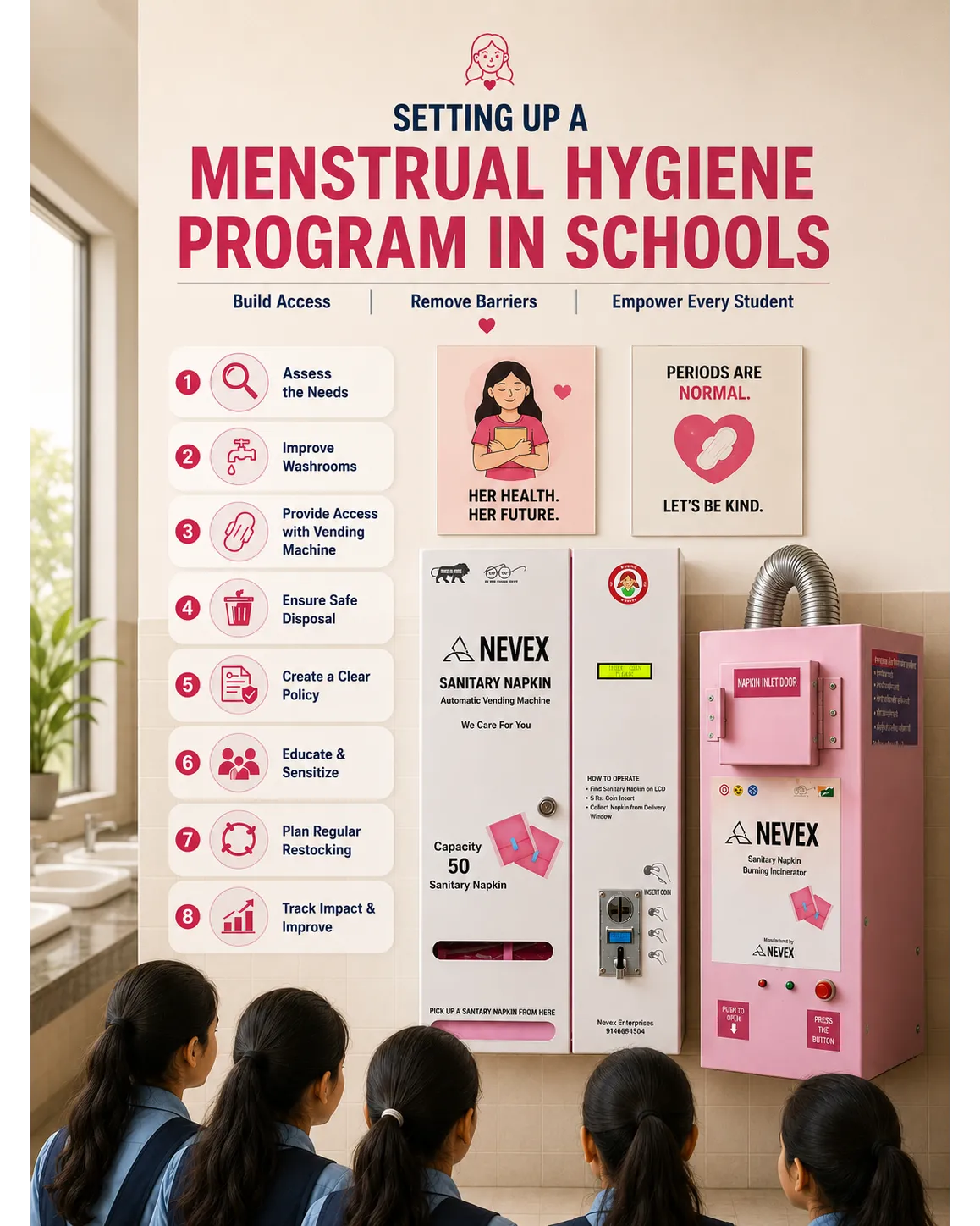
Step 1: Find out what's actually missing
Before buying anything or announcing anything, spend a week actually finding out what's going wrong. Ask teachers if girls are missing class on certain days each month. Check if the girls' washroom has water, a working lock, and a bin. Ask, quietly and privately, whether students have ever skipped school because they didn't have a pad or a clean place to change one.
Most schools assume they know the gap. Very few have actually measured it. This one week of honest checking tells you exactly what your programme needs to fix, instead of guessing.
Step 2: Fix the basic washroom infrastructure first
No programme works without this. A private toilet with a functioning lock and running water is the baseline, not a bonus. If your school's washroom is missing any of these, this is where your budget needs to go before anything else. A vending machine installed next to a broken toilet door solves nothing.
Step 3: Install a sanitary pad vending machine
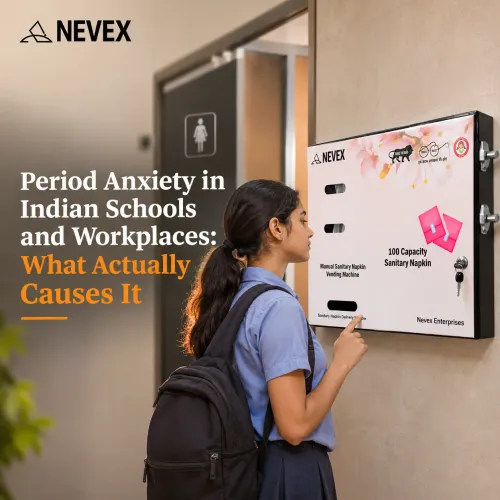
Once the washroom itself is in shape, install a sanitary pad vending machine directly inside it. This removes the single biggest barrier for a student, having to ask a teacher, leave school, or go without. Choose a capacity based on how many girls actually use that washroom daily, and pick a mechanism that fits your goal. For free, CSR-backed access, a simple push-button machine works better than one that needs coins or a UPI scan, since it removes every bit of friction between a student and the pad she needs.
Step 4: Install a sanitary pad disposal machine alongside it
A pad is only half the picture. Without a proper way to dispose of it, used pads end up in open bins or blocked drains, which brings back the same hygiene problem from a different angle. Installing a disposal machine in the same washroom means a student can access and dispose of a pad in one visit, without carrying it anywhere or worrying about where it goes next.
Step 5: Write down a clear, simple policy
This step gets skipped constantly, and it matters more than people think. Put in writing that a student can access a pad or step out of class during her period without needing to explain herself to anyone. Share this policy with teachers, not just students, so every staff member responds the same way, instead of some being understanding and others making a student feel embarrassed.
Step 6: Train teachers and educate students, including boys
A vending machine solves access. It doesn't solve stigma on its own. Run a proper menstrual health education session, one that includes boys, not just girls. Boys who understand periods grow into men who don't tease, don't shame, and eventually support the women around them, at home and at work. Train teachers separately too, since their reaction often shapes how comfortable a student feels using any of this.
Step 7: Plan for restocking, not just installation
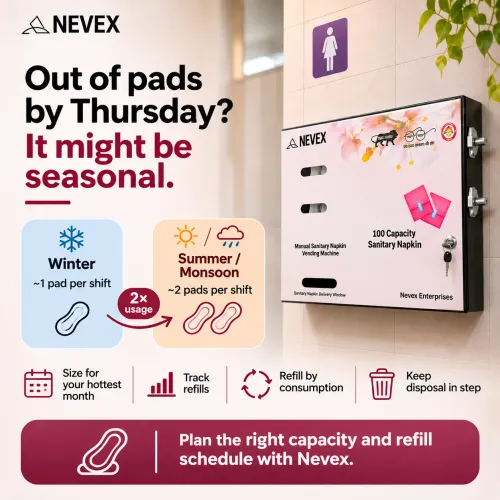
This is where a lot of well-meaning programmes quietly fail. A vending machine that runs empty after two weeks and stays empty for a month teaches students not to rely on it at all, even after it's refilled. Assign someone specific, by name, who checks and restocks the machine on a fixed schedule. A programme without a restocking plan isn't really a programme, it's a one-time installation.
Step 8: Measure what actually changed
A few months in, check the same things you checked in step one. Has attendance improved on the days that used to see girls missing class? Are teachers reporting fewer requests to go home? This is what separates a real programme from a symbolic one, you can actually point to a before and after.
Why this is worth doing properly
Programmes that follow through on access and disposal together have shown real, measurable results elsewhere. Schools that installed proper pad access saw meaningful drops in absenteeism among adolescent girls, and gains in day-to-day attendance, once the physical barrier was actually removed rather than just discussed. That's the entire point of building a programme instead of running a one-time drive, the results are the kind you can actually track.
Where Nevex Enterprises fits into this
We work with schools, colleges, and CSR teams on exactly this rollout, from the first assessment to the ongoing restocking. Nevex Enterprises manufactures sanitary pad vending machines, in 25, 40, and 50 pad capacities, and sanitary pad disposal machines, built for daily use in real school washrooms across India.
If your school or institution is ready to move past a one-time awareness drive and actually build a working menstrual hygiene programme, reach out to Nevex Enterprises. We'll help you plan the right setup for your specific campus, from installation through to the restocking schedule that keeps it running.
Frequently asked questions
What is a menstrual hygiene management programme in schools? It's a structured setup that gives students consistent access to sanitary pads, a private toilet, a safe disposal option, and ongoing education, rather than a one-time distribution or awareness event.
What is the first step in setting up a menstrual hygiene programme? Start by finding out what's actually missing, checking washroom conditions, attendance patterns, and speaking with students and teachers, before buying any equipment.
Do schools need both a vending machine and a disposal machine? Yes. A vending machine solves access, but without a disposal machine, used pads still end up in open bins or blocked drains, which creates a separate hygiene issue.
Should menstrual hygiene education include boys in schools? Yes. Including boys in this education helps remove stigma at its root and builds understanding that carries into their behaviour as adults.
How do schools keep a menstrual hygiene programme running long-term? By assigning a specific person to restock the vending machine on a fixed schedule, since an empty machine quickly loses students' trust, even after it's refilled.
Can CSR funding be used to set up a full menstrual hygiene programme in schools? Yes. Sanitary pad vending and disposal machines, along with menstrual health education sessions, are a recognised and fundable category under women's health and hygiene CSR programmes.
Keywords